
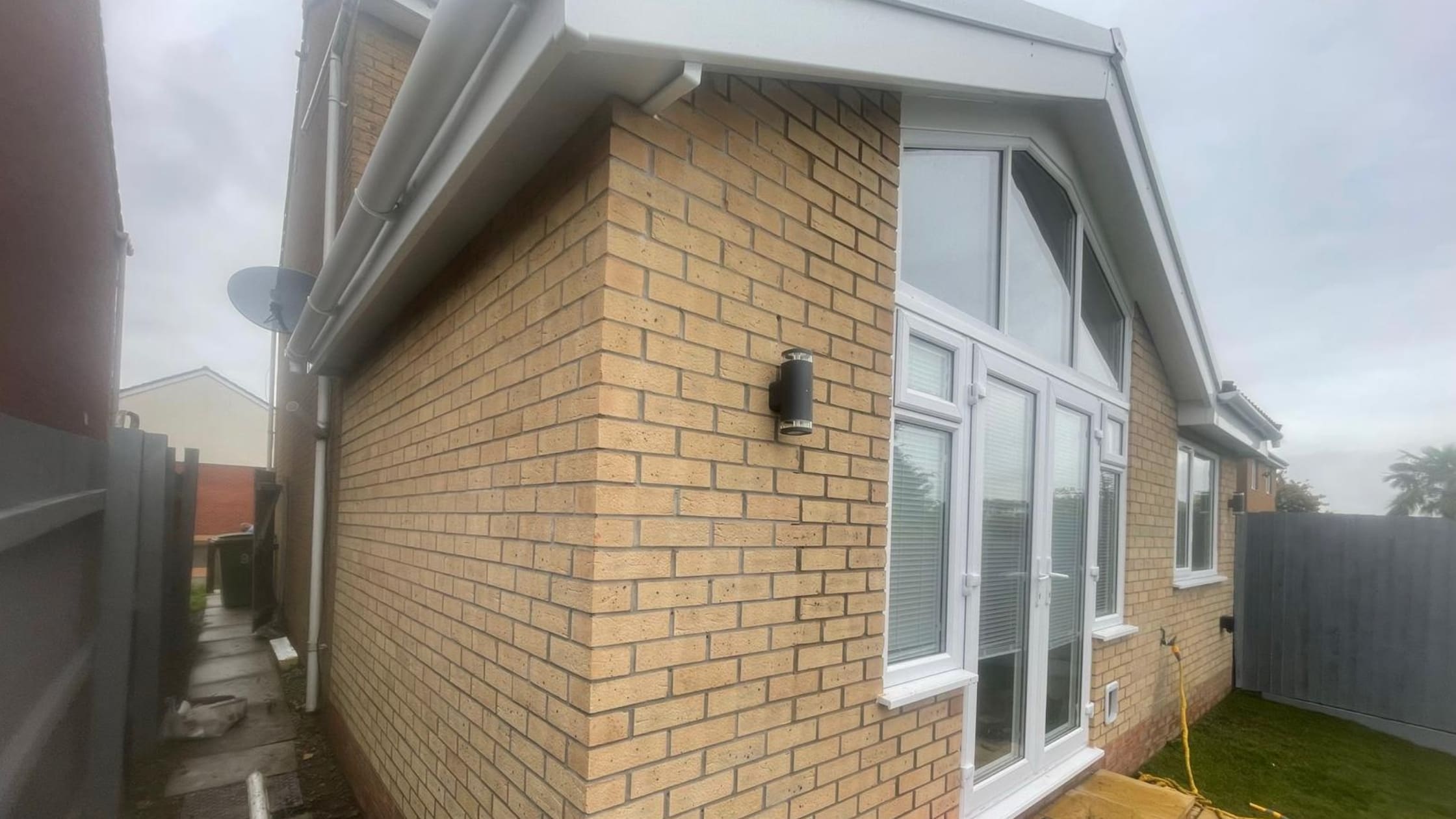
When considering a house extension in the UK, homeowners must navigate a complex set of rules and regulations. These restrictions are in place to ensure that extensions are safe, environmentally friendly, and in keeping with the character of the neighbourhood. This article outlines the key factors to consider when planning a house extension.
One of the first steps in planning a house extension is determining whether you need planning permission or if your project falls under permitted development rights.
- Planning Permission: This is a formal permission from your local council to carry out building work. It’s required for significant changes to your property. Applications can be complex and time-consuming, but they ensure that your extension meets local planning policies.
- Permitted Development Rights: These allow certain types of work to be carried out without planning permission. They apply to many smaller projects, like modest rear extensions or loft conversions, provided they meet specific criteria. However, these rights can be restricted in conservation areas or on listed buildings.
The scale of your extension can significantly impact whether it requires planning permission. Generally, an extension should not overwhelm the existing building or the neighbouring properties. For instance, extensions must not extend beyond the rear wall of the original house by more than a certain distance, which can vary depending on the type of property.
Consideration of the impact on neighbouring properties is crucial. Extensions should not result in a significant loss of light or overshadowing. Privacy is another essential factor; windows overlooking neighbouring properties may require frosted glass or other privacy measures.
Another aspect to consider is the design and materials used for an extension must blend with the existing property and the surrounding area. This is particularly important in areas with a distinctive architectural style or historical significance.
Extensions must comply with building regulations, which cover aspects such as structural integrity, fire safety, thermal performance, and ventilation. Additionally, sustainability is increasingly important, with many councils encouraging energy-efficient designs and materials. In conservation areas or for listed buildings, restrictions are stricter.
These areas aim to preserve the historical and architectural significance, requiring extensions to be in harmony with the existing character. Often, planning permission is necessary even for minor changes. For properties in flood risk areas, additional considerations are necessary to ensure the extension does not exacerbate flooding issues. This may involve special design features to mitigate flood risk.
Navigating the restrictions on house extensions in the UK requires careful planning and consideration. Understanding the difference between planning permission and permitted development rights, along with the specific criteria for your area, is essential. Consulting with local planning authorities and possibly hiring a professional architect or planner can help ensure your extension project proceeds smoothly and legally. By adhering to these guidelines, homeowners can enhance their living space while maintaining community standards and environmental responsibility.
With years of experience in the industry, our team is highly skilled and dedicated to delivering exceptional house extension services to our clients. Get in touch if you need a quotation.