
Landscaping can transform your outdoor space, adding beauty, functionality, and even value to your property. However, before you start digging and planting, it’s essential to consider whether you need planning permission for your landscaping project. This article will guide you through the key factors to consider when determining if planning permission is necessary.
Planning permission is a formal approval from your local planning authority that allows you to carry out certain building works or changes to your property. It is primarily designed to ensure that developments are in line with local policies and do not negatively impact the environment or neighbouring properties. While many landscaping projects do not require planning permission, there are situations where it might be necessary. Here are some common scenarios:
- Building Structures: If your landscaping plans include building structures like decks, gazebos, sheds, or retaining walls, you may need planning permission. The need for permission often hinges on the size, height, and location of these structures.
- Hardscaping Features: Installing features such as patios, driveways, or pathways may also require permission, especially if they significantly alter the drainage or layout of your property. This is particularly important in areas prone to flooding.
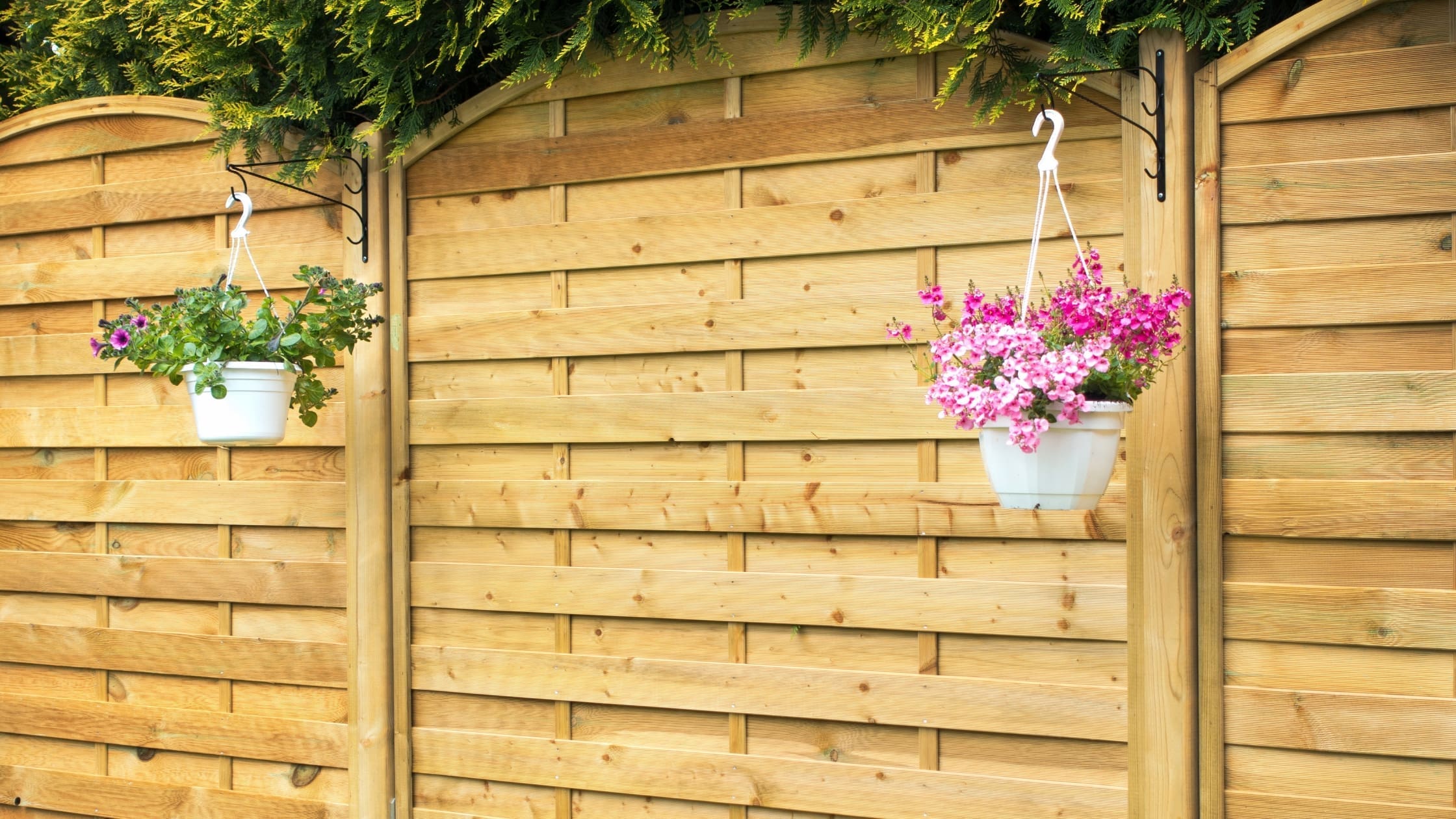
- Fences and Boundaries: Erecting or altering fences, walls, or gates can require planning permission, especially if they exceed a certain height or are adjacent to a public highway. Always check local regulations before proceeding.
- Significant Earthworks: Major changes to the land’s shape, such as digging ponds or constructing terraced gardens, can impact drainage and natural landscapes. These projects often need planning consent to ensure they do not harm the environment.
Many groundworks and landscaping activities fall under “permitted development rights,” meaning they do not require formal permission. Planning rules often vary by locality. It’s crucial to consult your local planning authority or review local guidelines to understand the specific requirements for your area.
While many landscaping projects can proceed without planning permission, it’s always wise to verify the requirements specific to your project and location. By doing so, you ensure compliance with local regulations, avoid potential fines, and create a harmonious outdoor space that meets your needs and respects the community. Always consult with professionals or your local planning office if you are unsure whether your project requires permission.
Get in touch if you need a quotation for any landscaping work.