
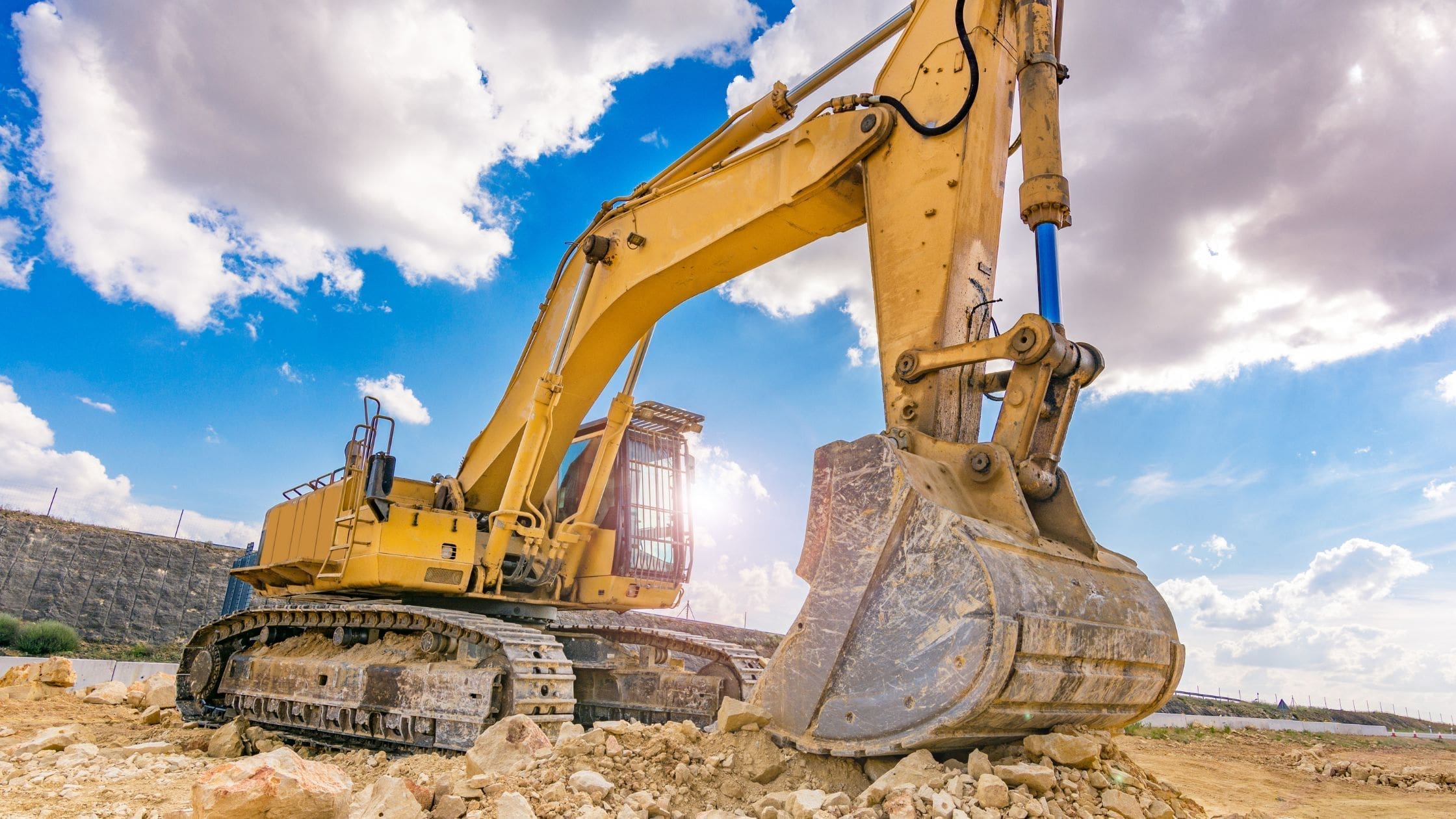
Groundworks form the foundation of any construction project, whether it’s a towering skyscraper or a humble residential building. As the first step in the building process, groundworks are crucial for ensuring structural integrity. However, as with many construction-related activities, groundworks come with their own set of environmental considerations. In this article, we’ll explore the various environmental impacts of groundworks and the ways in which these can be mitigated.
Groundworks involve the preparation of a construction site, which includes tasks such as excavation, site clearance, and laying foundations. This process is essential for ensuring that the ground can support the weight of the structure being built. While these activities are necessary, they can also have significant environmental impacts if not managed properly.
Environmental Impacts of Groundworks
- Soil Disruption: One of the most immediate impacts of groundworks is soil disruption. Excavation and site clearance can lead to soil erosion, which can harm local ecosystems and lead to sedimentation in nearby water bodies. This sedimentation can have detrimental effects on aquatic life and water quality.
- Loss of Biodiversity: Groundworks often require the removal of vegetation, which can result in the loss of habitats for various species. This loss of biodiversity can have cascading effects on local ecosystems, as each species plays a role in the ecological balance.
- Pollution: Groundworks can contribute to pollution in several ways. The use of heavy machinery can lead to air pollution from diesel fumes, while improper waste management can result in soil and water contamination. Additionally, the use of certain chemicals during construction can pose further environmental risks.
- Water Management: Construction sites often require dewatering, which involves the removal of water from soil or ground. This can alter local water tables and affect surrounding ecosystems. Improper water management can also lead to flooding or the contamination of natural water sources.
Mitigating Environmental Impacts
While groundworks can have significant environmental impacts, there are several strategies that can be employed to mitigate these effects:
- Sustainable Site Planning: Careful site planning can minimise the environmental footprint of groundworks. This includes selecting sites that have minimal ecological value and designing projects to preserve existing vegetation and habitats as much as possible.
- Erosion and Sediment Control: Implementing erosion and sediment control measures can help protect soil and water quality. This can include the use of silt fences, sediment basins, and mulch to prevent erosion and capture sediment before it enters water bodies.
- Pollution Prevention: To minimise pollution, construction companies can use cleaner machinery and fuels, and manage waste and chemicals responsibly. This includes proper disposal of waste materials and using non-toxic alternatives wherever possible.
- Water Conservation and Management: Adopting water conservation practices can help mitigate the impacts of dewatering. Techniques such as rainwater harvesting and the use of permeable surfaces can help maintain natural water cycles and reduce water consumption.
Summary
Groundworks are an essential component of construction, but they come with environmental responsibilities. By understanding and addressing the potential environmental impacts, construction companies can ensure that their projects are not only structurally sound but also environmentally sustainable. With careful planning and the implementation of best practices, it is possible to balance the needs of development with the preservation of our natural environment.
Let us help you build the future of your business, contact us today to get started.