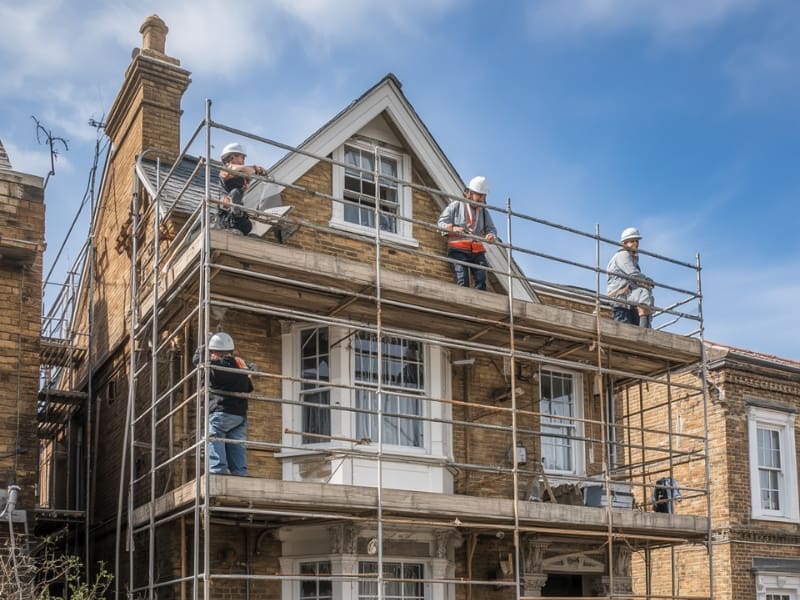
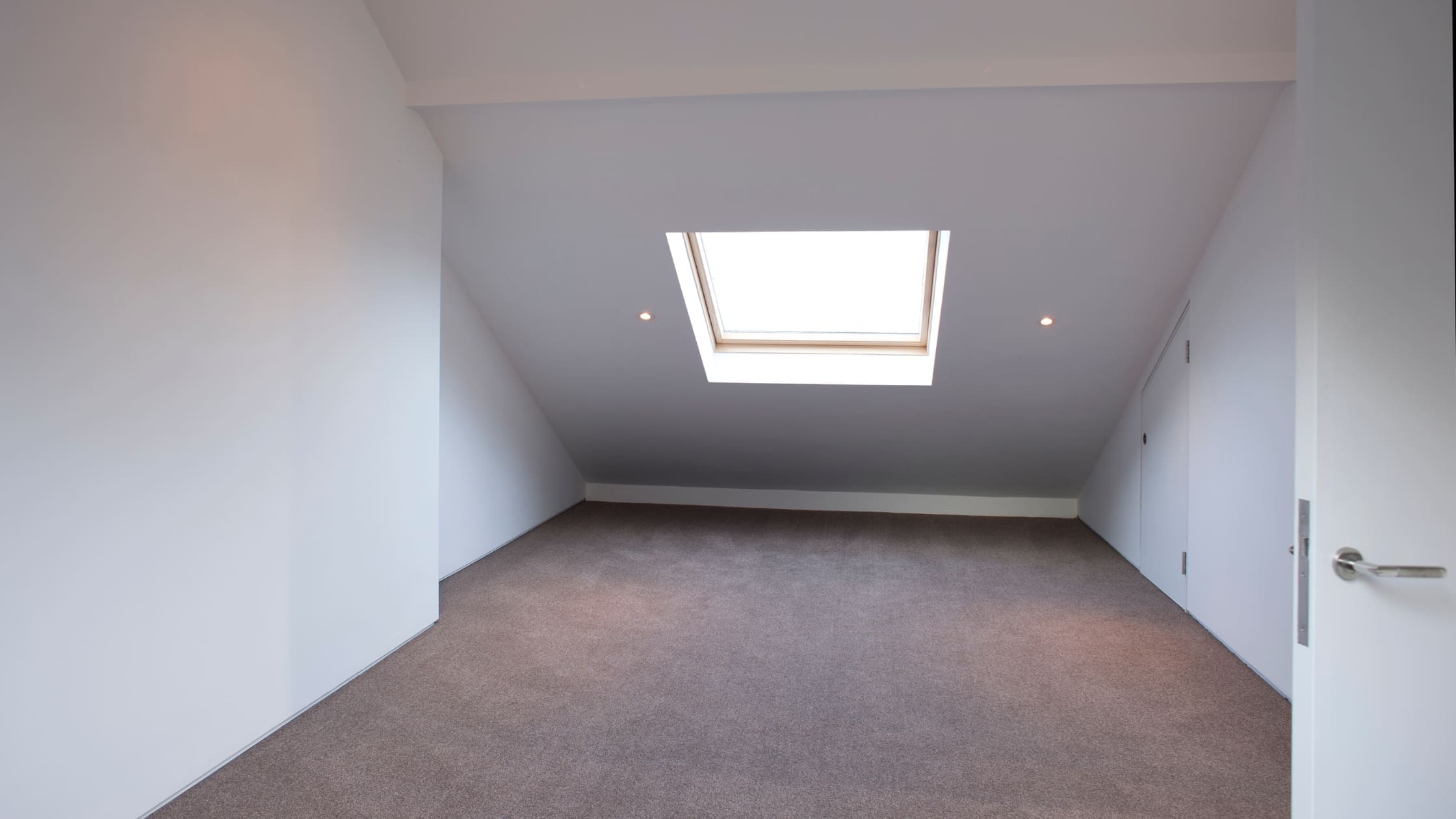
Loft conversions have become a popular way to add space and value to homes. They offer an excellent solution for those who need additional rooms but do not want to move houses. However, not every loft is suitable for conversion. In this article, we will explore the factors that determine whether a loft can be converted in the UK and what homeowners should consider before embarking on such a project.
Before diving into a loft conversion project, it’s crucial to assess whether your loft is suitable for conversion. Several factors play a role in determining this feasibility:
- Head Height: One of the most critical aspects of a loft conversion is the available head height. Generally, a minimum height of 2.2 meters is recommended to ensure comfortable living space. If your loft doesn’t meet this requirement, you may need to consider options such as raising the roof or lowering the ceilings in the rooms below, which can significantly increase the project’s cost.
- Roof Structure: The type of roof structure in your home can influence the ease of conversion. Traditional cut timber roofs are often more straightforward to convert compared to modern trussed roof structures. Trussed roofs may require additional structural work to create a suitable living space, which can be more complex and expensive.
- Access and Staircase: Access to the loft is another essential consideration. You will need to install a staircase to ensure safe and convenient access to the new space. This may require careful planning to minimise the impact on the existing layout of your home. Building regulations specify that the staircase should be practical and comply with safety standards.
- Planning Permission and Building Regulations: In many cases, loft conversions fall under “Permitted Development Rights,” meaning you may not need formal planning permission. However, there are exceptions, particularly if you live in a listed building or conservation area. Regardless of planning permission, all loft conversions must adhere to building regulations to ensure safety and quality.
While not all lofts can be converted, many can be adapted to create additional living space. By considering factors such as head height, roof structure, and planning regulations, homeowners can determine the feasibility of their loft conversion project. Consulting with a professional architect or builder can provide valuable insights and help navigate the complexities involved. With careful planning and the right approach, a loft conversion can be a rewarding investment that enhances both the functionality and value of your home.
Contact the team for a further discussion, or consider other options through our website to check your eligibility and obtain a FREE quotation.