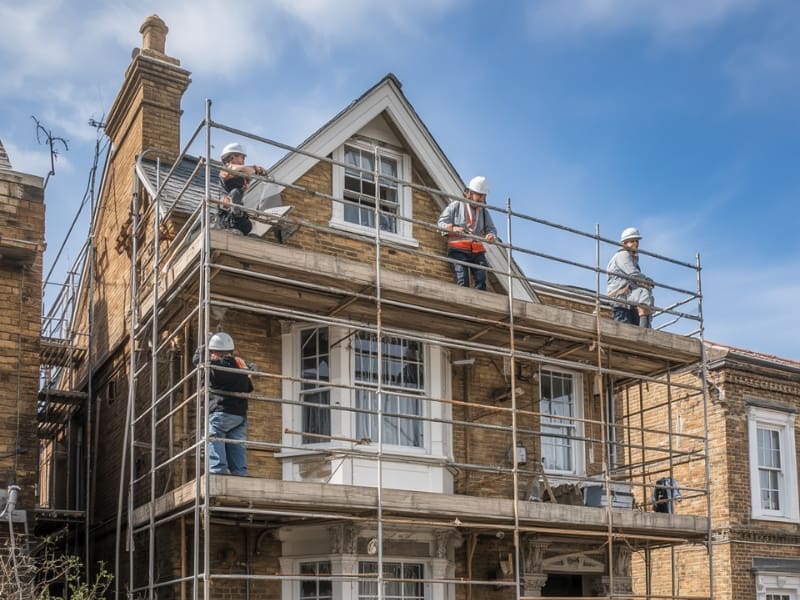
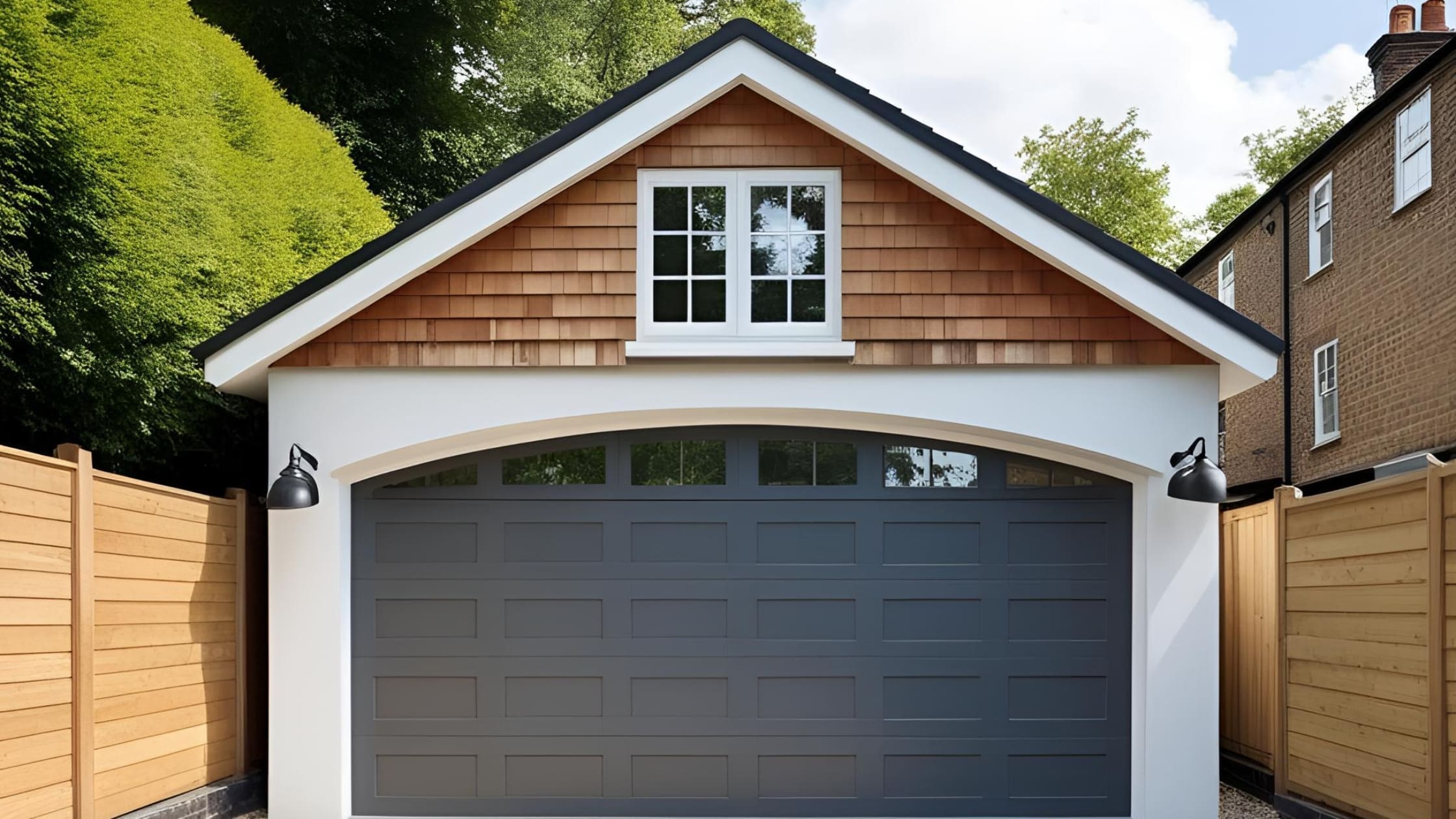
Converting a detached garage into a functional space is an increasingly popular trend among homeowners seeking to maximise their property’s potential. Whether you want to create a home office, a guest suite, or a creative studio, transforming your garage can add value and versatility to your home. However, before embarking on this project, there are several important factors to consider.
The first step in converting a detached garage is to clearly define your needs and goals. Ask yourself the following questions:
What do I want to use the converted space for?
How much space do I need for this purpose?
What is my budget for this conversion?
Having a clear vision will guide you through the planning and design process, ensuring the finished product meets your expectations.
Before you begin any construction, it’s crucial to check your local zoning laws and building codes. Each area has specific regulations regarding the conversion of garages, which could impact your plans. Key considerations include:
- Permits: Most conversions require building permits. Ensure you apply for and acquire the necessary permits before beginning work.
- Zoning Restrictions: Some areas have restrictions on converting garages, particularly if they affect parking availability.
- Building Codes: Ensure the conversion complies with local building codes, which may dictate structural changes, electrical work, and plumbing requirements.
The existing condition of your garage plays a significant role in the conversion process. Conduct a thorough assessment to determine:
- Foundation Integrity: Ensure the foundation is stable and can support the planned modifications.
- Roof Condition: Check for leaks or structural issues that might need repair.
- Walls and Insulation: Assess whether additional insulation or wall reinforcement is necessary.
Once you have the green light from local authorities and have assessed the garage’s condition, it’s time to design your new space. Consider the following elements:
- Layout: Plan the layout to maximise functionality and comfort. Consider the placement of walls, doors, and windows to optimise natural light and accessibility.
- Utilities: Decide on the necessary utilities, such as electricity, heating, cooling, and plumbing, depending on the intended use of the space.
- Interior Design: Choose materials and finishes that align with your vision and budget, ensuring durability and aesthetic appeal.
Garages can be converted on various budgets, but it’s essential to have a clear understanding of potential costs. Create a detailed budget that includes:
- Construction Materials: Costs for insulation, drywall, flooring, and other building materials.
- Labor: Fees for architects, contractors, and other professionals.
Permits and Fees: Any local government fees for permits and inspections.
Consider financing options if necessary, such as home improvement loans or lines of credit, to cover the costs of the conversion.
Once your detached garage conversion is complete, you’ll enjoy a versatile new space tailored to your needs. Whether you use it for work, relaxation, or hosting guests, the additional space can enhance your lifestyle and potentially increase your property’s value.
Converting a detached garage is a significant undertaking, but with careful planning and execution, it can be a highly rewarding project. By addressing zoning laws, structural conditions, design, and budgeting, you can successfully transform your garage into a functional and appealing space.
With years of experience in the industry, our team is highly skilled and dedicated to delivering exceptional garage conversion services to our clients. Get in touch if you need a quotation for any renovations.