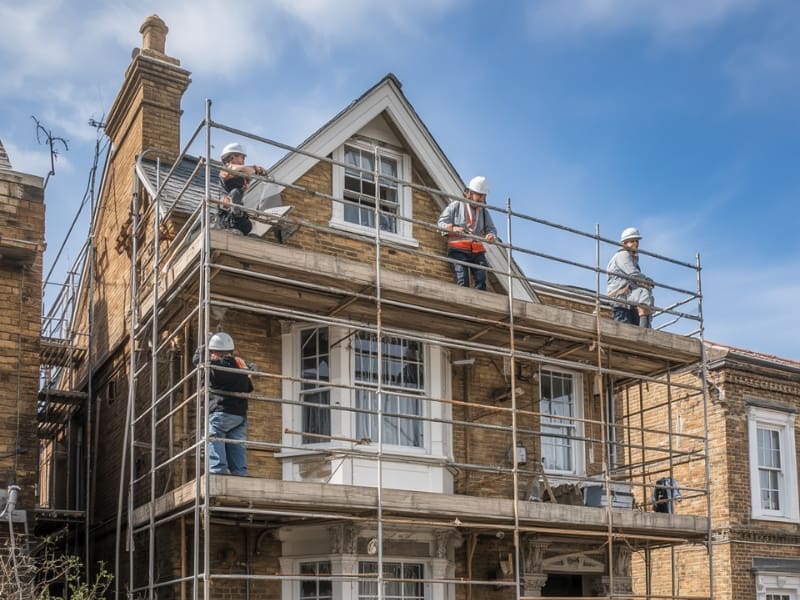

In recent years, the construction industry has made significant strides in incorporating environmental considerations into the planning and execution of commercial projects. As the world becomes more conscious of environmental sustainability, developers, architects, and builders are increasingly focusing on reducing the ecological footprint of their projects. This article explores the various ways in which environmental impact is considered in commercial construction.
One of the primary ways commercial construction projects minimise their environmental impact is through the use of sustainable building materials. These materials are chosen for their low environmental impact, durability, and ability to be recycled or reused.
- Bamboo: Known for its rapid growth and renewability, bamboo is an excellent alternative to traditional hardwoods.
- Recycled Steel: Utilising recycled steel reduces the need for new steel production, which is energy-intensive and environmentally damaging.
- Reclaimed Wood: Reusing wood from old structures, builders can prevent deforestation and reduce waste.
Energy efficiency is a critical aspect of reducing the environmental impact of commercial buildings. By incorporating energy-efficient technologies, buildings can significantly reduce their energy consumption and greenhouse gas emissions.
- LED Lighting: These bulbs use less energy and last longer than traditional incandescent bulbs.
- High-Performance HVAC Systems: Advanced heating, ventilation, and air conditioning systems can greatly reduce energy usage.
- Smart Building Technologies: Automation systems that optimise energy use by adjusting lighting, temperature, and ventilation based on occupancy and time of day.
Many commercial construction projects aim to achieve green building certifications, which recognise buildings that meet certain environmental and sustainability standards.
- LEED (Leadership in Energy and Environmental Design): A globally recognised green building certification that evaluates buildings on criteria such as energy efficiency, water usage, and indoor air quality.
- BREEAM (Building Research Establishment Environmental Assessment Method): This certification assesses the sustainability of buildings in terms of design, construction, and operation.
- WELL Building Standard: Focused on human health and wellness, this certification considers factors like air quality, water quality, and access to natural light.
Water conservation is another important factor in reducing the environmental impact of commercial construction.
- Low-Flow Fixtures: Toilets, faucets, and shower heads designed to use less water without compromising performance.
- Rainwater Harvesting Systems: Collecting rainwater for non-potable uses such as irrigation and toilet flushing.
Minimising waste is crucial in mitigating the environmental impact of construction.
- Recycling and Reusing Materials: Salvaging materials from demolition sites and using them in new projects.
- Construction Waste Management Plans: Implementing plans to sort and recycle construction debris, reducing landfill impact.
- Prefabrication: Using prefabricated components to decrease on-site waste production.
Environmental considerations in commercial construction are becoming increasingly integral as the industry responds to the global call for sustainability. By adopting sustainable materials, improving energy efficiency, seeking green certifications, conserving water, and reducing waste, the construction industry can significantly reduce its environmental footprint. As these practices continue to evolve, the future of commercial construction looks promising in terms of both ecological responsibility and innovation. Get in touch if you need a quotation for any commercial construction projects you may have in mind.