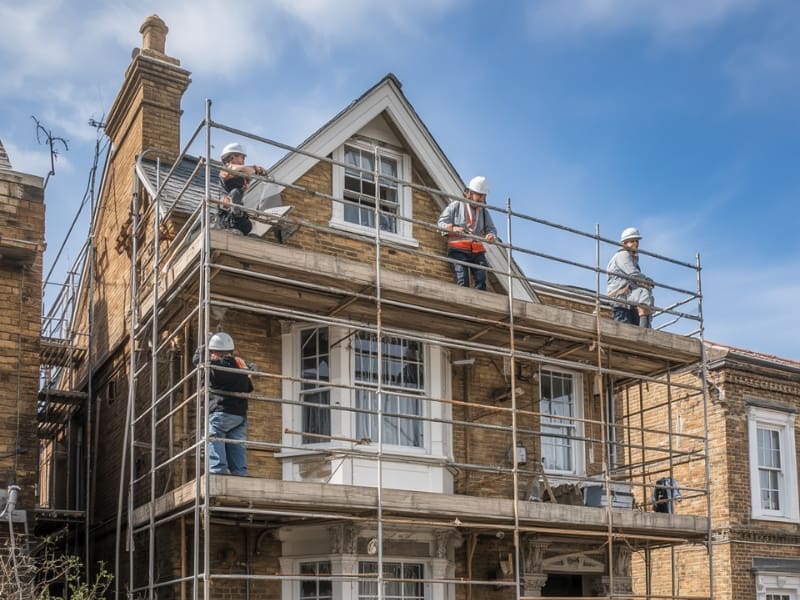
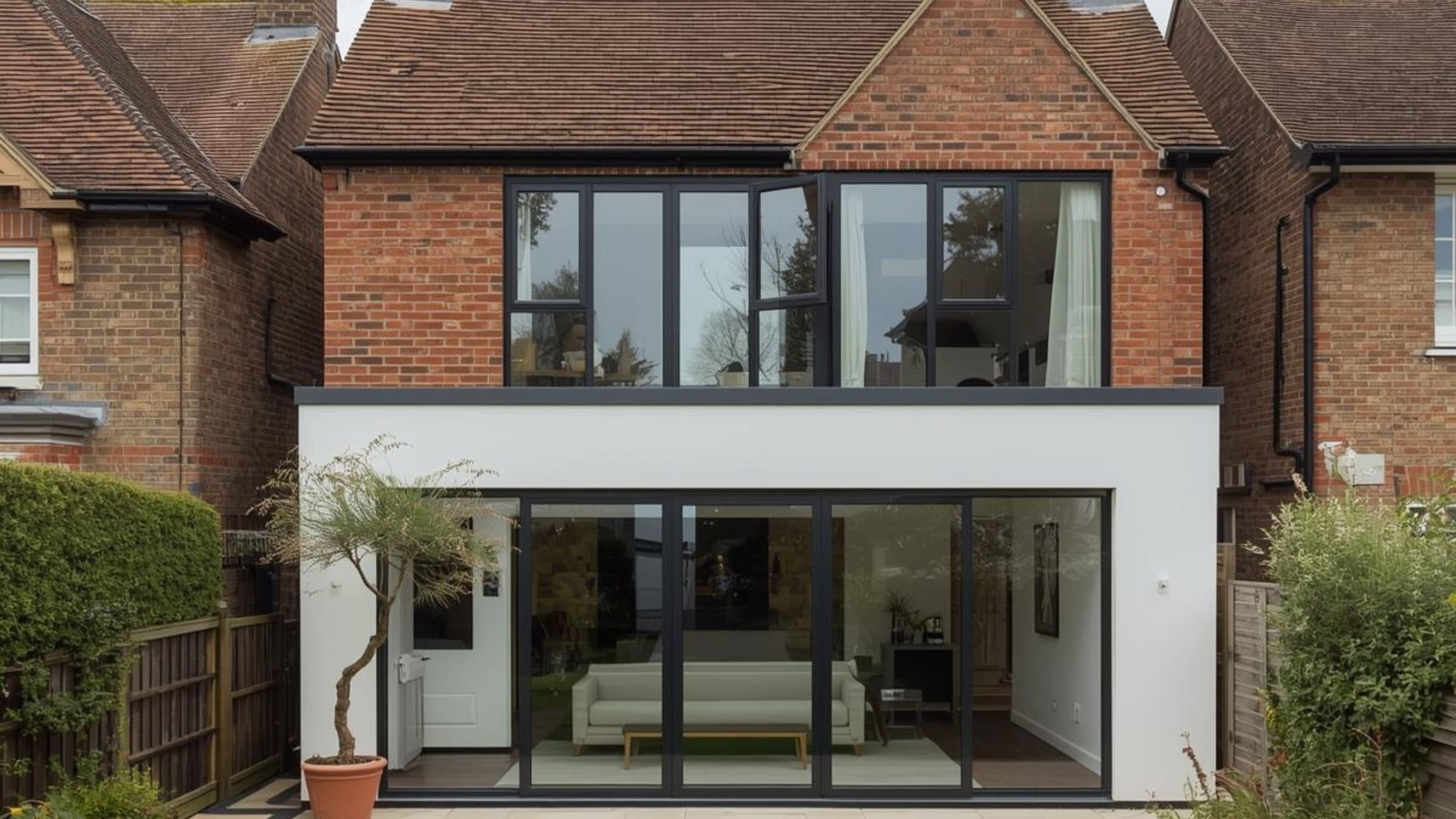
When considering ways to increase the value of your home, two popular options often come to mind: home extensions and loft conversions. Both can provide additional space and potentially increase property value, but which one is the better investment? In this article, we’ll explore the benefits and drawbacks of each option to help you decide which might be the right choice for your home.
Home Extensions
Home extensions are a popular choice for homeowners looking to add space to their property. By extending the footprint of your home, you can create a larger living area, add a new room, or even construct an entirely new section of the house.
Benefits of Home Extensions
- Increased Living Space: Home extensions can significantly increase your available living space, making them ideal for growing families or those who entertain frequently.
- Versatility: You can tailor the extension to your specific needs, whether it’s a new kitchen, a larger living room, or an additional bedroom.
- Increase in Property Value: A well-designed extension can add substantial value to your home, often providing a return on investment that exceeds the cost of the project.
Drawbacks of Home Extensions
- Cost: Extensions can be expensive, especially if they require significant structural changes or high-end finishes.
- Planning and Approvals: Depending on the size and scope of the project, you may need planning permission and building regulations approval, which can be time-consuming and complex.
- Disruption: Construction work can be disruptive, impacting your daily life as the project progresses.
Loft Conversions
Loft conversions involve transforming an underutilised attic space into a functional room. This option is ideal for homes with unused lofts that can be converted into bedrooms, offices, or playrooms.
Benefits of Loft Conversions
- Efficient Use of Space: Loft conversions make use of existing space, meaning there’s no need to sacrifice garden or yard space.
- Cost-Effective: Generally, loft conversions are more cost-effective than full-scale extensions, as they involve less structural work.
- Increase in Property Value: Like extensions, loft conversions can add significant value to a home, especially if they create additional bedrooms or bathrooms.
Drawbacks of Loft Conversions
- Limited Space: The amount of space you gain is limited to the size of your existing loft, which might not be sufficient for all needs.
- Structural Limitations: Not all lofts are suitable for conversion, and some may require significant structural modifications to meet building codes.
- Access and Design Constraints: The sloped ceilings and limited space can pose design challenges, and access to the new area may require additional work, such as installing a staircase.
Which Adds More Value?
The decision between a home extension and a loft conversion ultimately depends on your specific needs, budget, and the existing layout of your home. Both options can add value, but the amount will vary based on factors like location, design quality, and current market trends.
- Home Extensions: Typically, extensions provide more versatility and can add more living space, potentially leading to a higher increase in property value. They are ideal for homeowners with sufficient land and budget to accommodate the expansion.
- Loft Conversions: These are excellent for maximising existing space without altering the home’s footprint. They are often more affordable and can still add valuable living space and property value, particularly in urban areas where outdoor space is limited.
Carefully consider your priorities and consult with experienced professionals to evaluate which option will best suit your home and lifestyle needs. Whether you choose a home extension or a loft conversion, both can prove to be rewarding investments that enhance your home’s functionality and market appeal.
At Apex Property Developments, we support homeowners. Get expert advice and a free quote from a team you can trust.